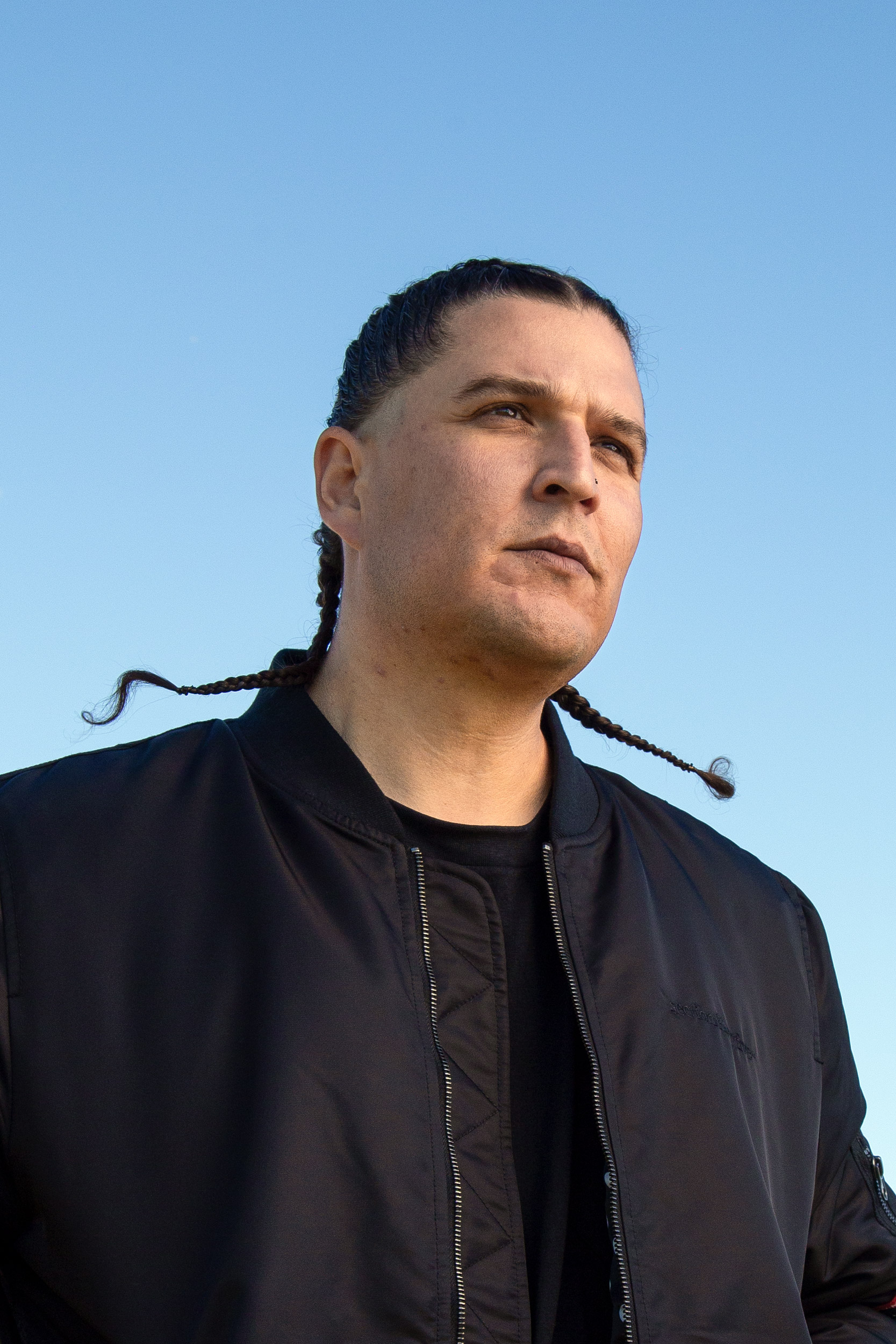
Justin Louis is the founder of Fashion Label Section35. He is a member of Samson Cree Nation. Justin launched the business in March 2016 formally. Everything he knows about Design and the fashion industry is self-taught. There’s a lot of things that inspire Justin - from the seasons to colors that you see out on the land to just elements of every day life and what it’s like to be Indigenous. A lot of the inspiration comes from the culture, who the Coast Salish are as people and the land. His fashion is for wearing when you’re out on the land. (Chiliwack, B.C.)
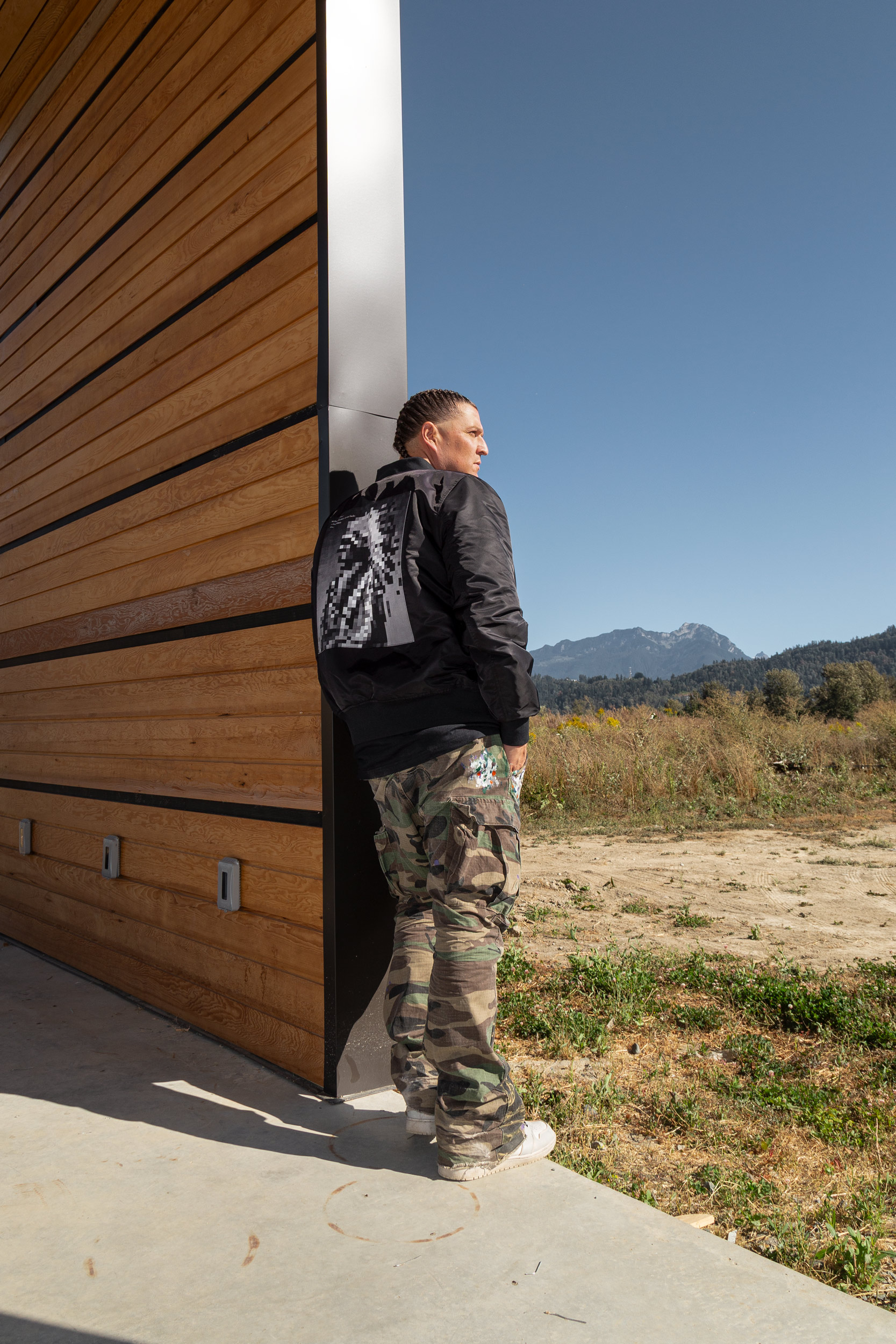
Justin wears a bomber jacket of the Autumn/Winter collection 2022. He generally likes bomber jackets. It has a back patch on it which shows a pixelated chief. There is a generic view of Indigenous people by our society. Although Indigenous people are very diverse, there’s this concept of a proud warrior with a head dress on which became a stereotype. The bomber jacket distorts that stereotype and wants to break it. The jacket is also about the protection of the sacred in the images of Indigenous people that get taken without people's permission. Protecting the identity of that image, because that’s somebody’s relative or ancestor, is an ongoing issue in Indigenous people's lives.
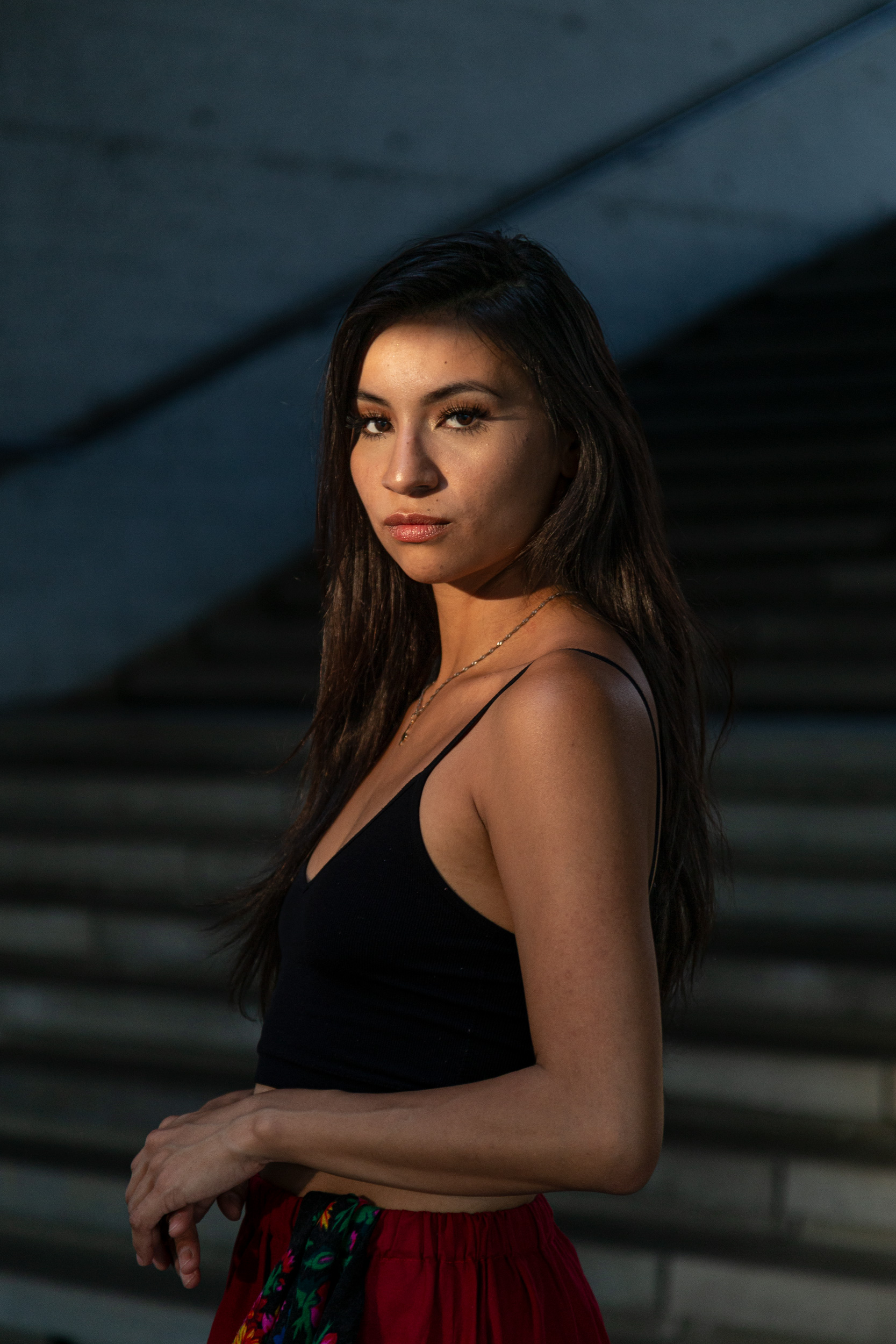
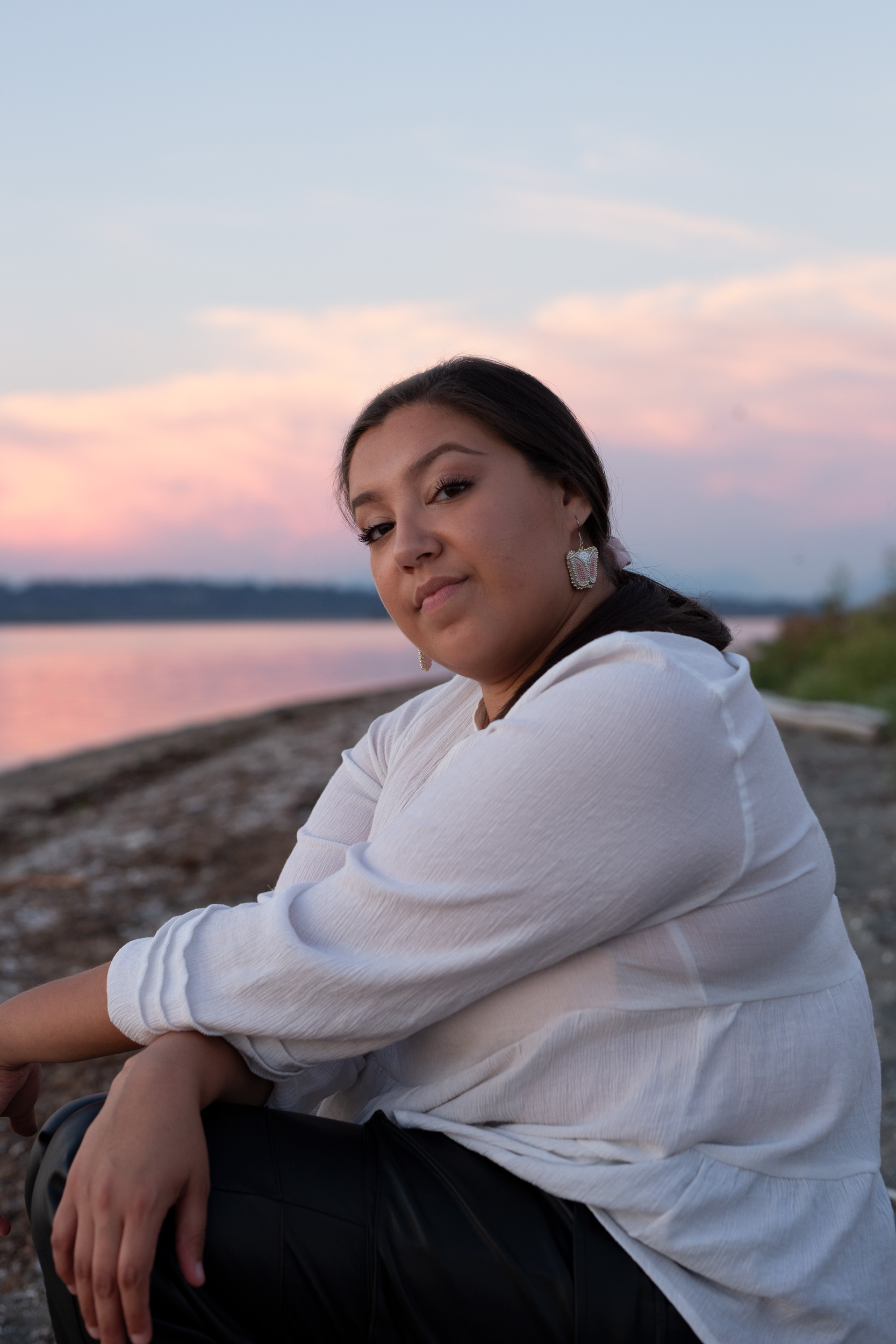
Nipin is a Content Creator known as Sloanwarrior on Socials and a model. Her traditional name is Pâhpawêwitotam. She is Cree/ Saulteaux. Nipin was adopted into a strict Jehovah’s Witness family where appearances were extremely important in congregations. She didn’t grow up with ceremonies or having love for herself or her people until she left and got disfellowshipped in 2021. She grew up being told that demons would enter thru dreamcatchers or through smudging practices. ”We are reconnecting with our culture and values again and we will fight for everything our ancestors were denied. We are fighting for food sovereignty, for accountability, for the natural laws our people created in the first place and for us all to live in unity and peace,” says Nipin. (Simon Fraser University, Vancouver)
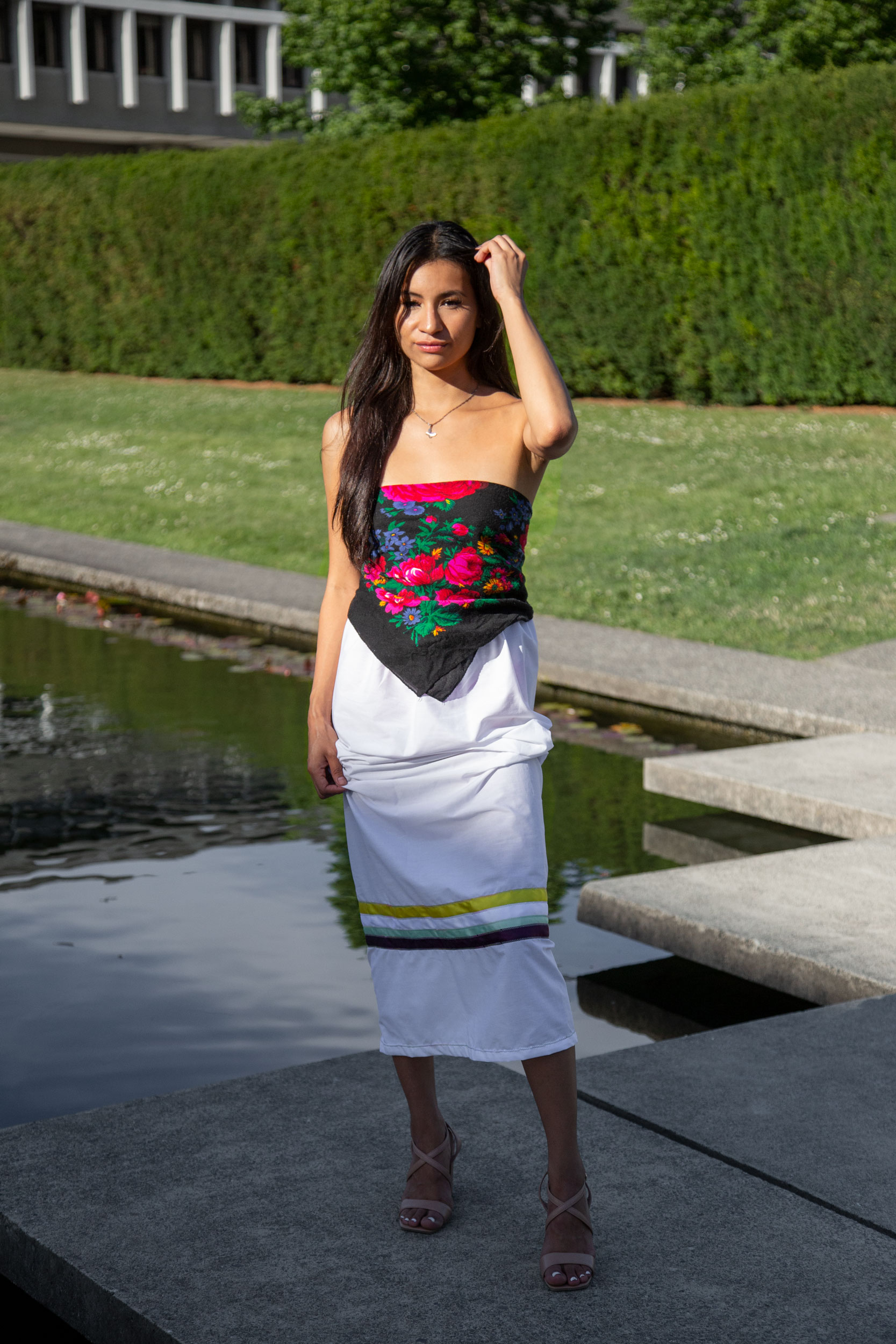
The white ribbon skirt was gifted to Nipin by a family friend after her first sweat ceremony. It is by far the most treasured ribbon skirt to her. It was handmade with love, with the colours she received in ceremony along with her traditional name. The skirt is about reconnecting back to her people and culture.
The Kokum scarf was adopted into the regalia. It shows unity between the Ukraine and the Coast Salish people. It’s a sign of unity and love between cultures.
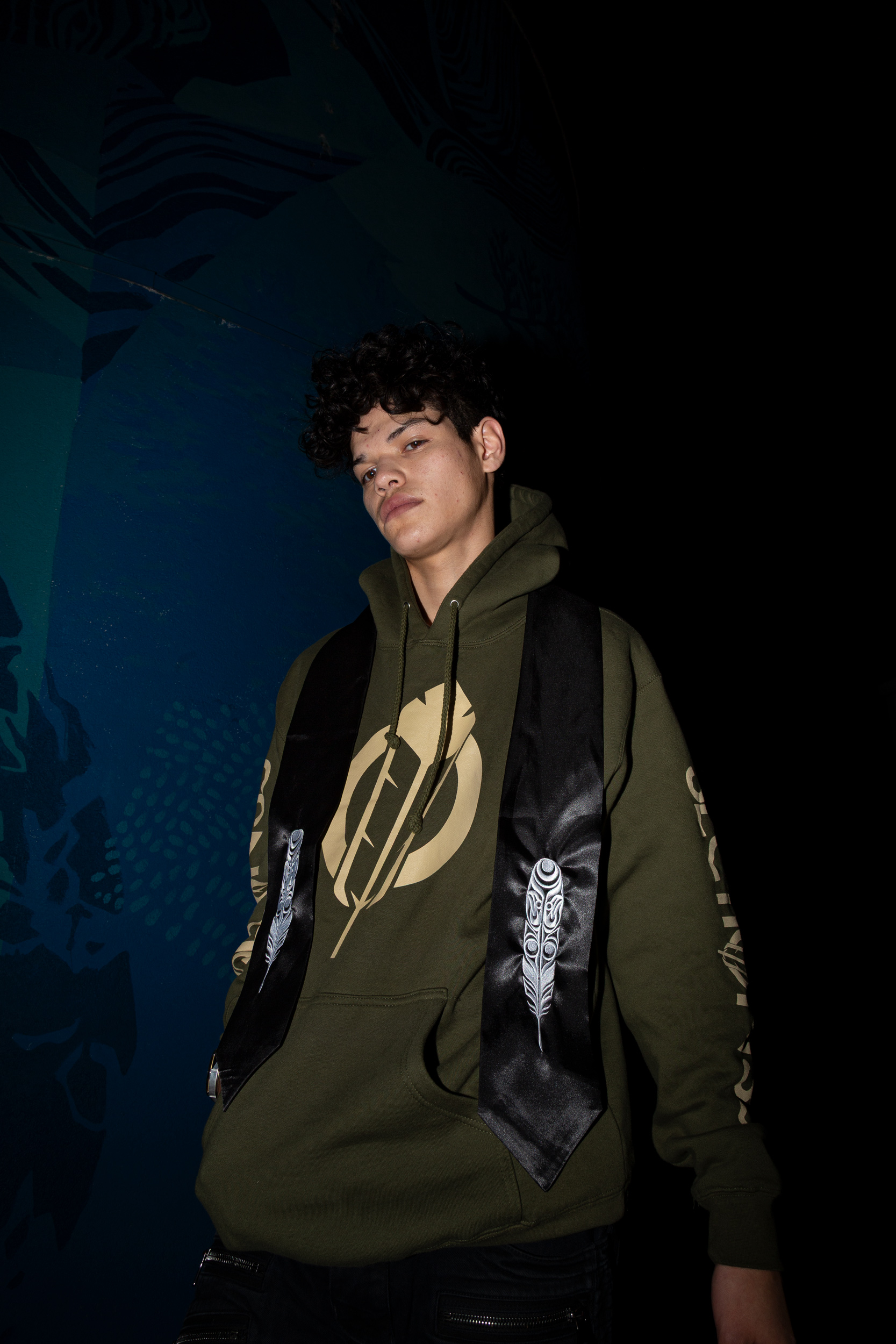
When Taigan finished High School he was on three graduations. On the Indigenous one he got the black scarf. It represents safety, seeks sacredy and gives you the feeling like someone’s watching over you. The scarf is very sentimental to Taigan because it reminds him of the day he finished High school. It represents a new journey in his life. He got the scarf from the district. All the teachers and the Indigenous support teachers where there. They all shook hands and put the scarf around their shoulders. Taigan wears a Hoodie by Section35. He has been modeling for the Indigenous Street wear brand before.(Capilano University Vancouver)
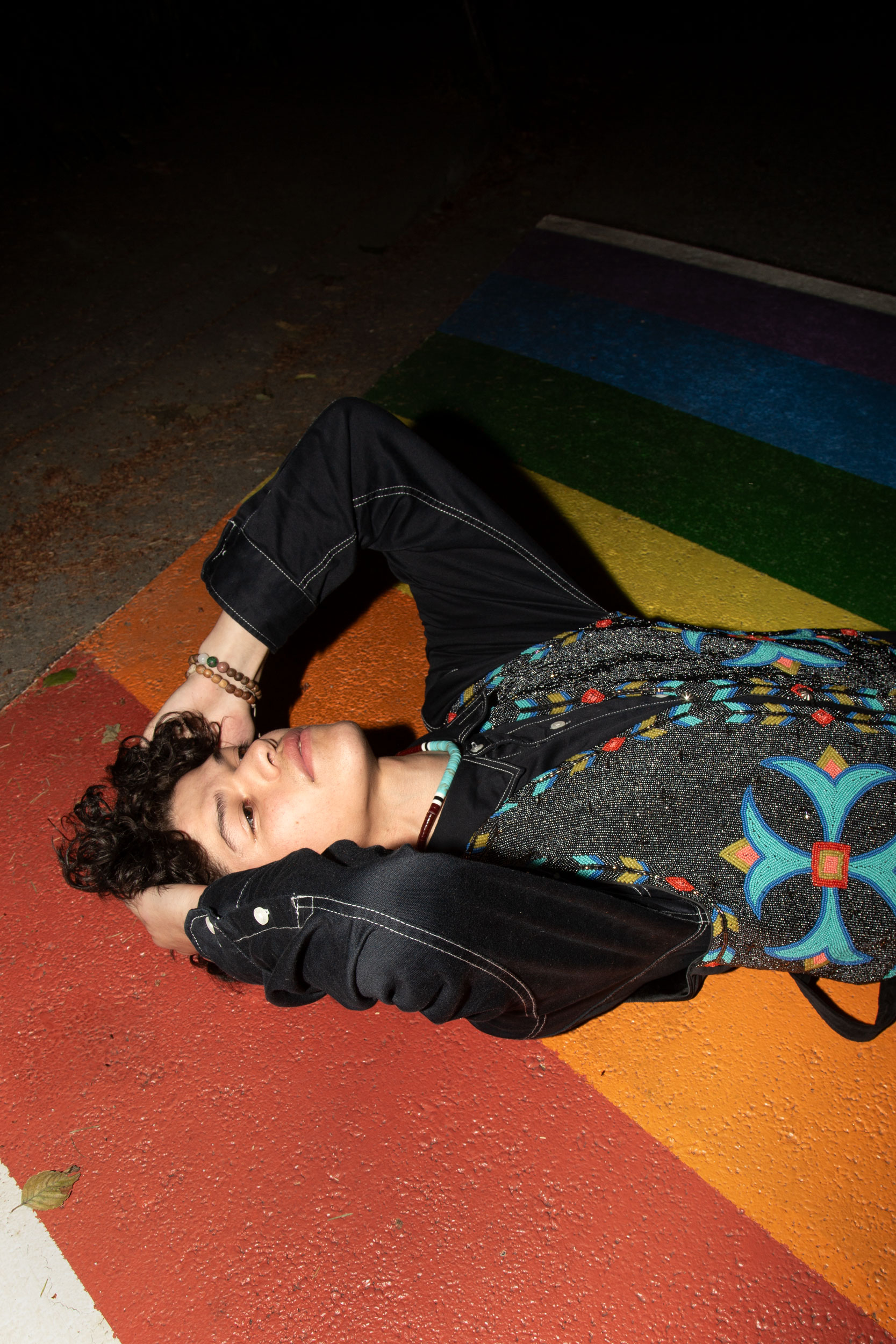
The beaded cowboy vest from Santa Fe is a sentimental piece to Taigan. It reminds him of the first time he travelled on a plane and also of the 100 ft runway he walked at the Santa Fe Indian Market. Taigan is Kwakwakaʼwakw from Alert Bay and Cree from Alberta.
Taigan is a Model and Student of Indigenous Rights at Capilano University in Vancouver. He wants “to make an impact”.
Vancouver
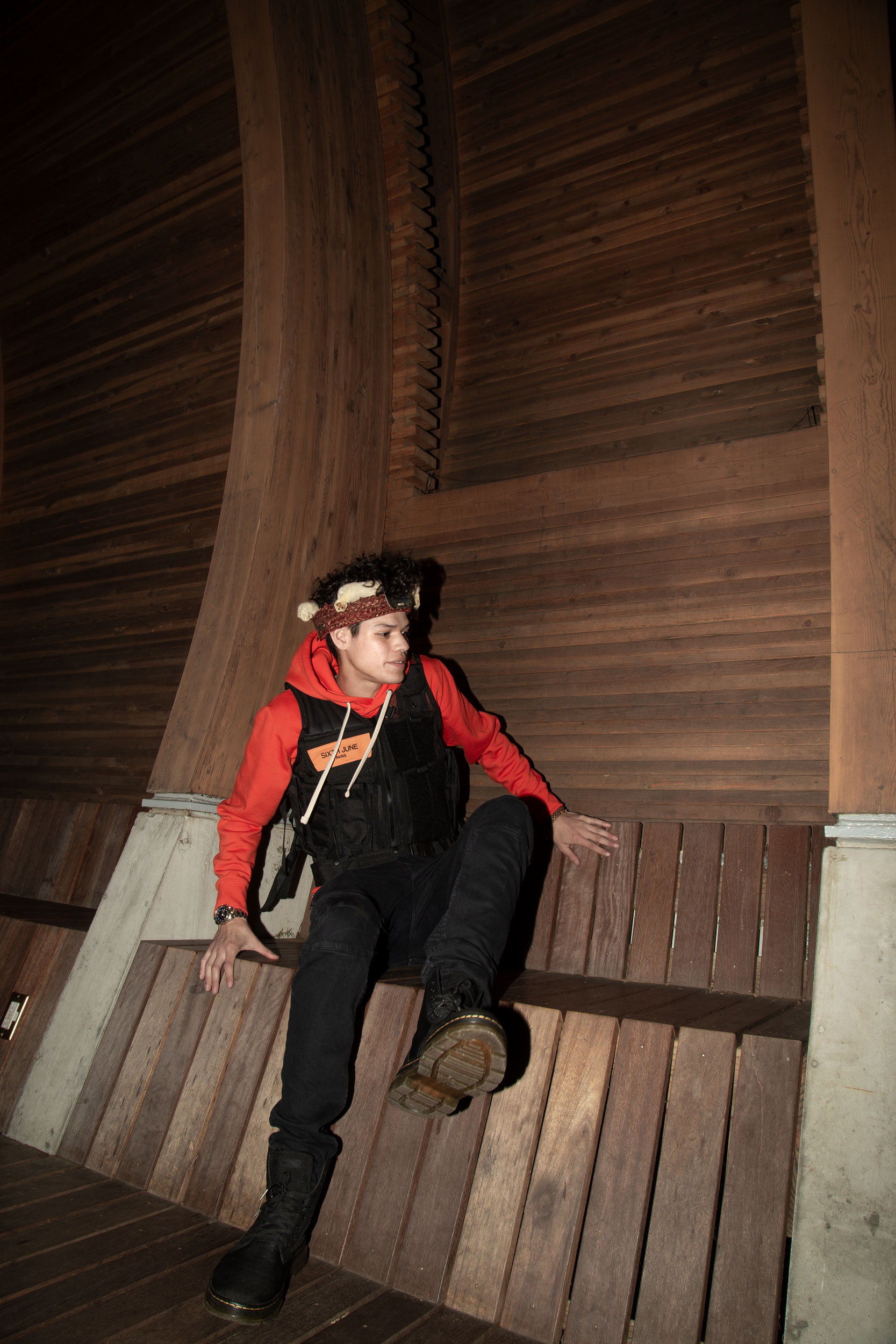
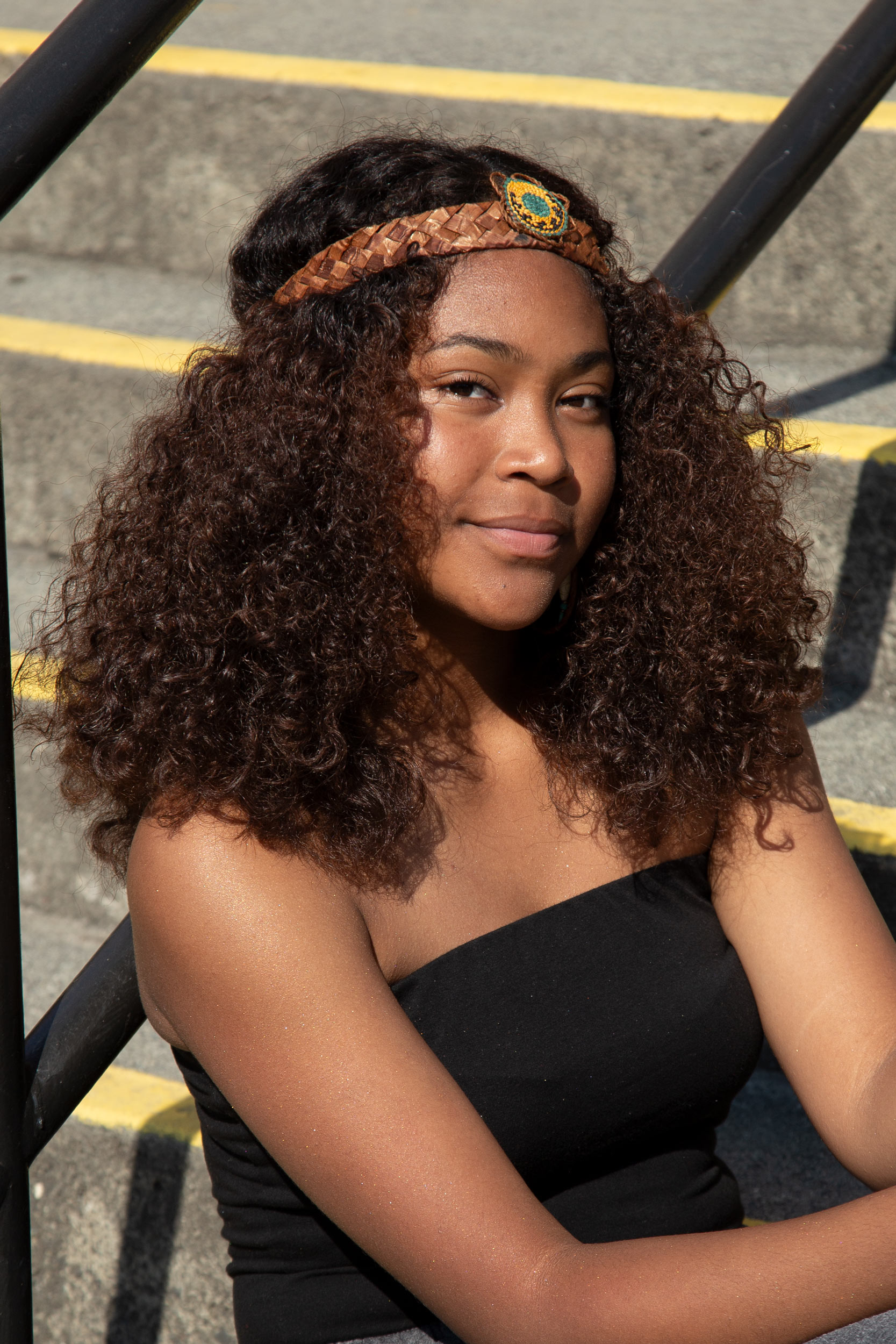
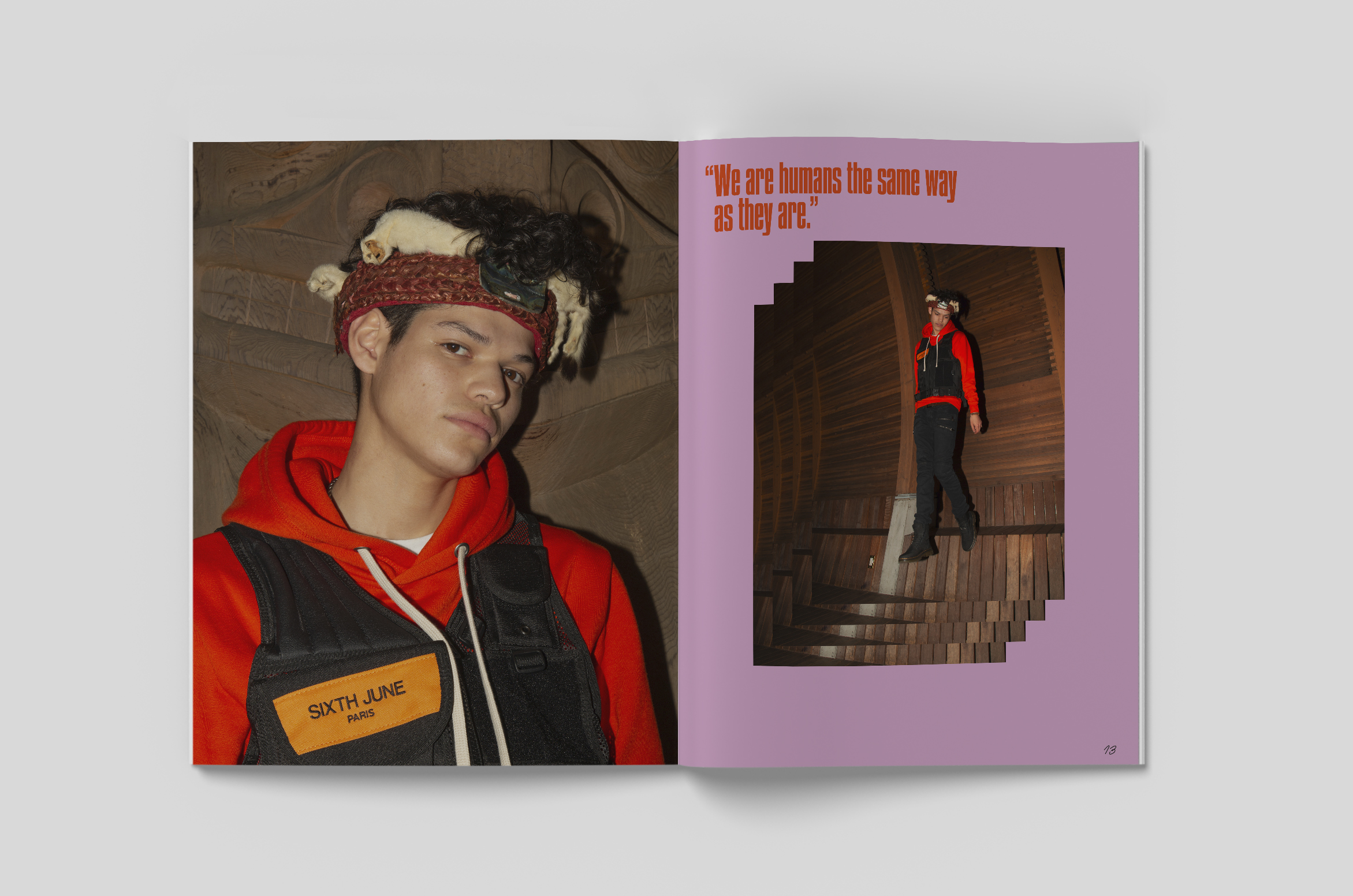
Tessa got the cedar bark headband for her Coming-of-Age. Her aunt made it. Usually people wear cedar pieces during ceremonies. Tessa is Ditidaht and from Hesquiaht First Nation.
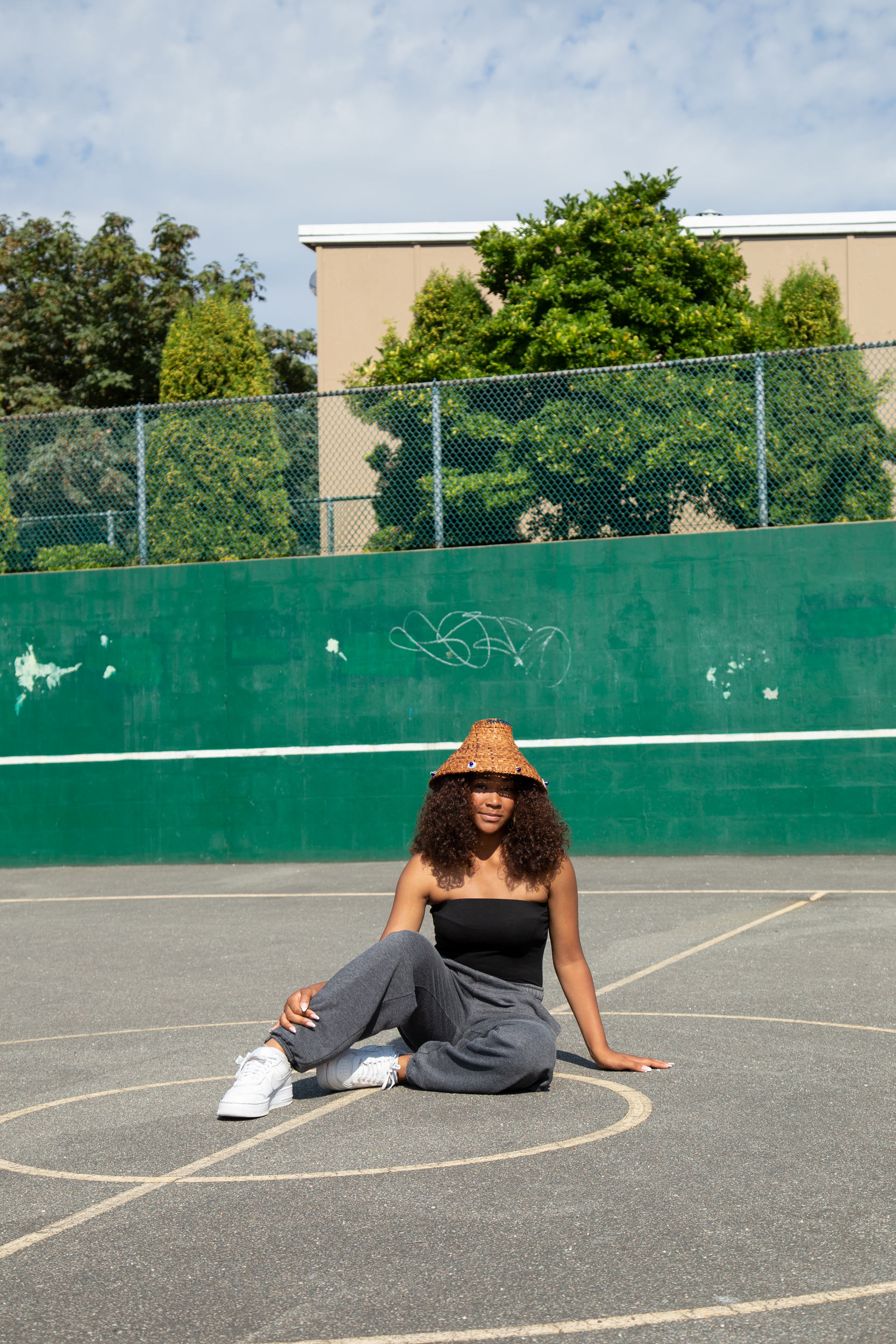
Tessa wears a cedar bark hat that was made by her grandmother. Her grandmother likes Arts and crafts. Tessa is being tought by her grandmother and mom how to cedar weave. The best way to learn it is to just watch someone doing it. Cedar weaving needs patience and focus.
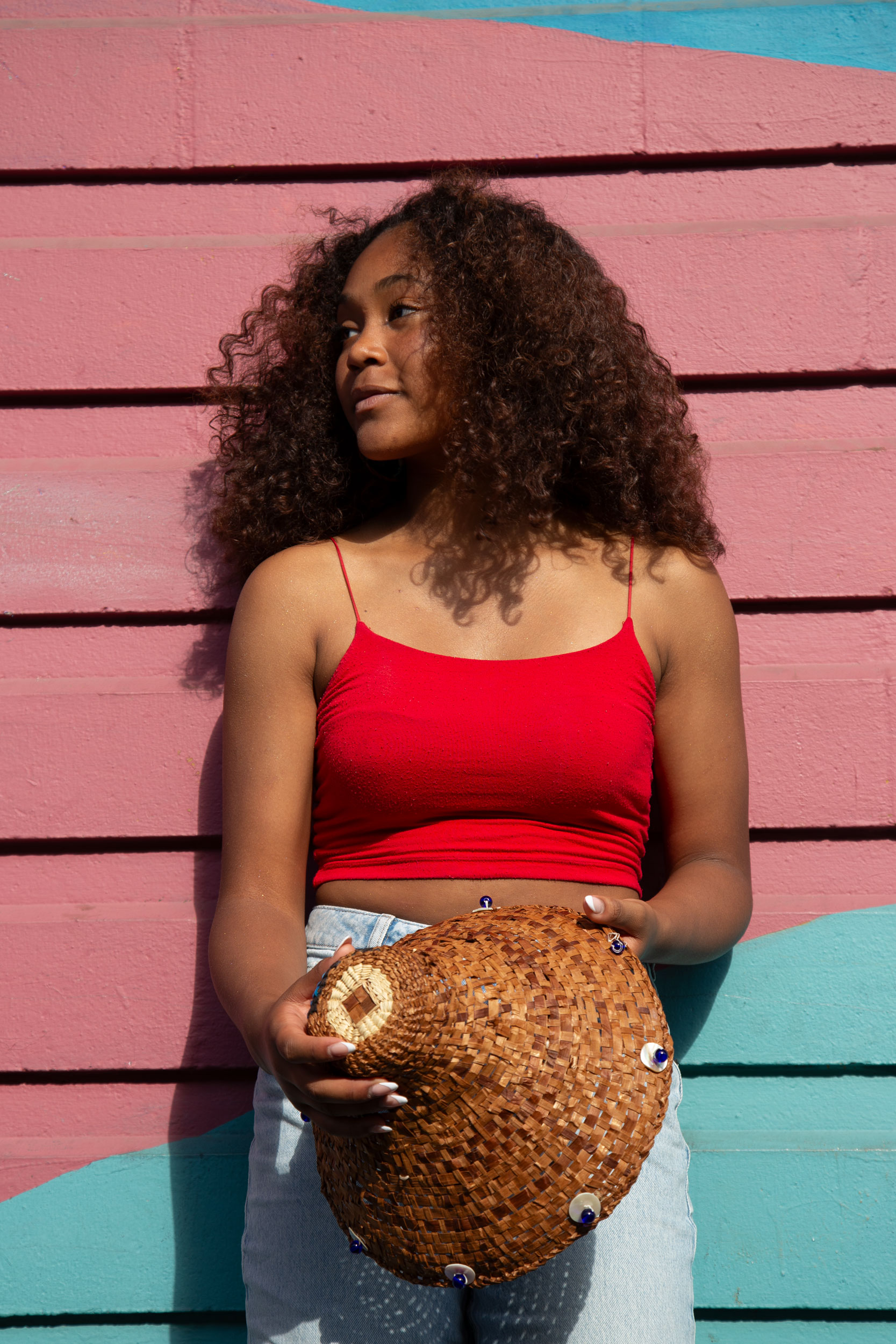
Tessa holds a handmade cedar-woven head made by her grandmother in her hands. (Vancouver)
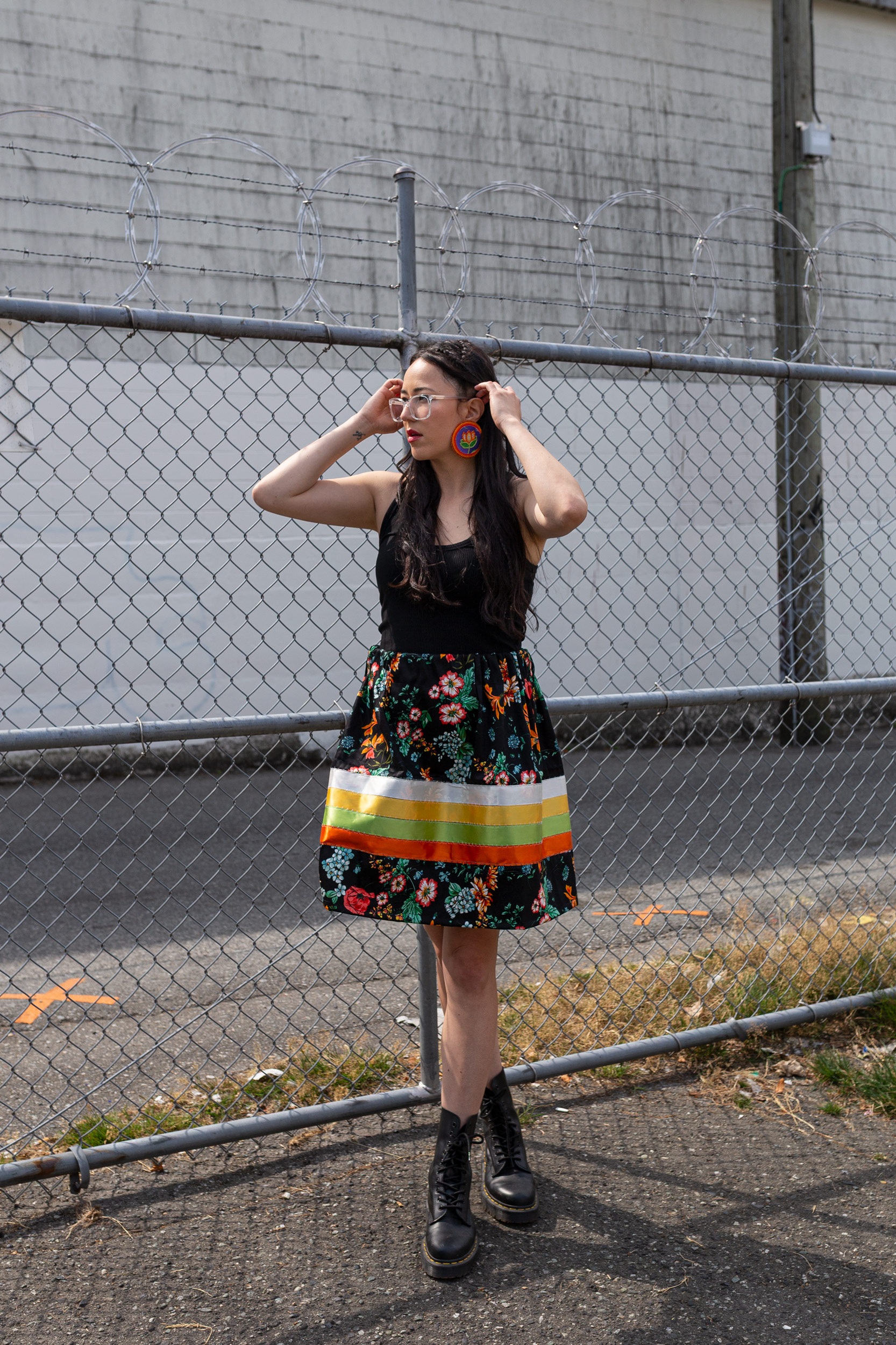
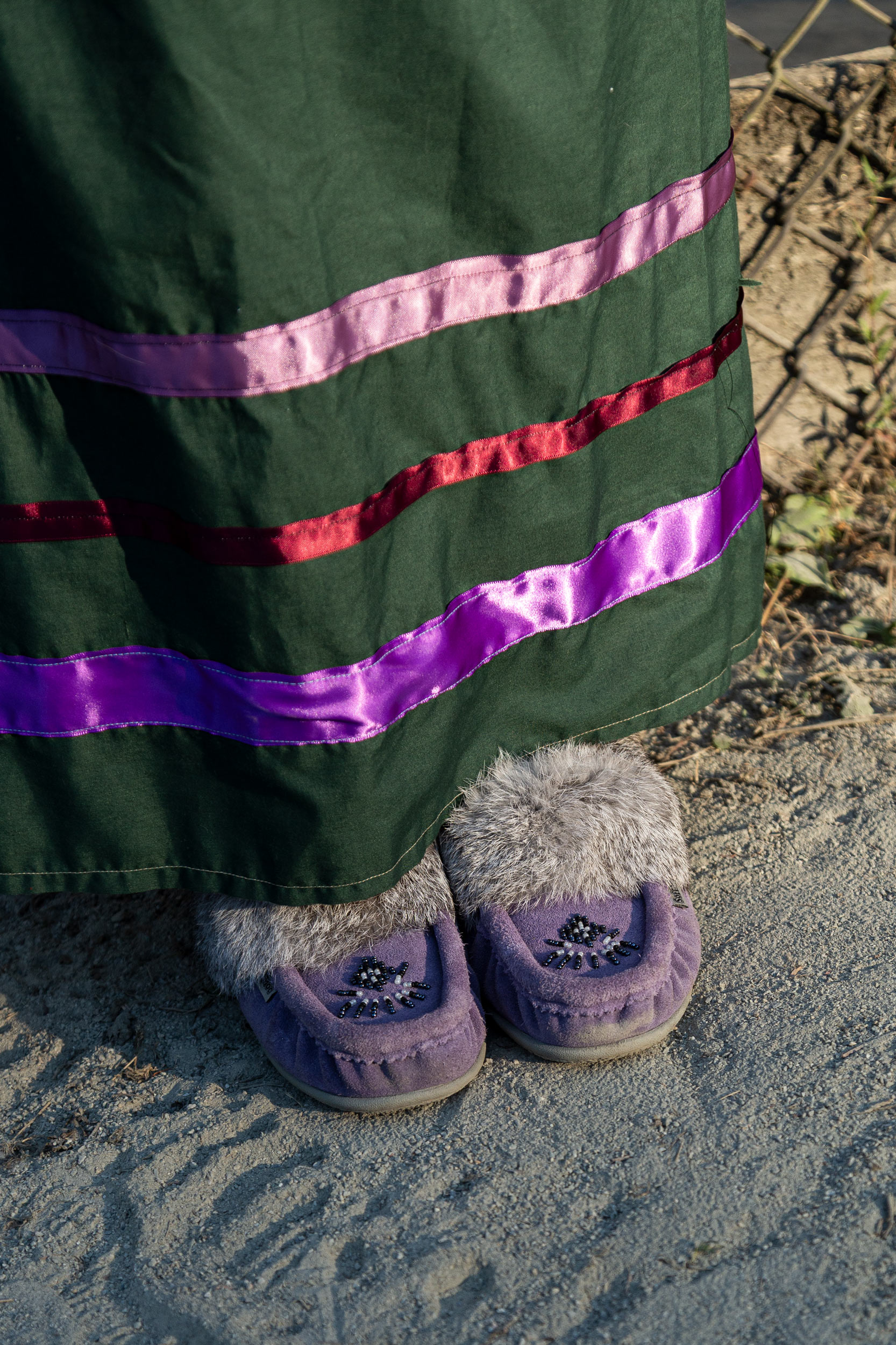
Joleen learned sewing when she was an adult. She made the skirt out of her aunt's ribbon skirt's fabric when she passed away. Joleen's aunt is burried with the other piece of the ribbon skirt. That way they stay connected. Usually, ribbon skirts are long.
(Earrings by Heaven N Earth Native Art Gallery and Cultural Studio, Hope B.C.
Hair and Make-Up by @krystal_simplystyle)
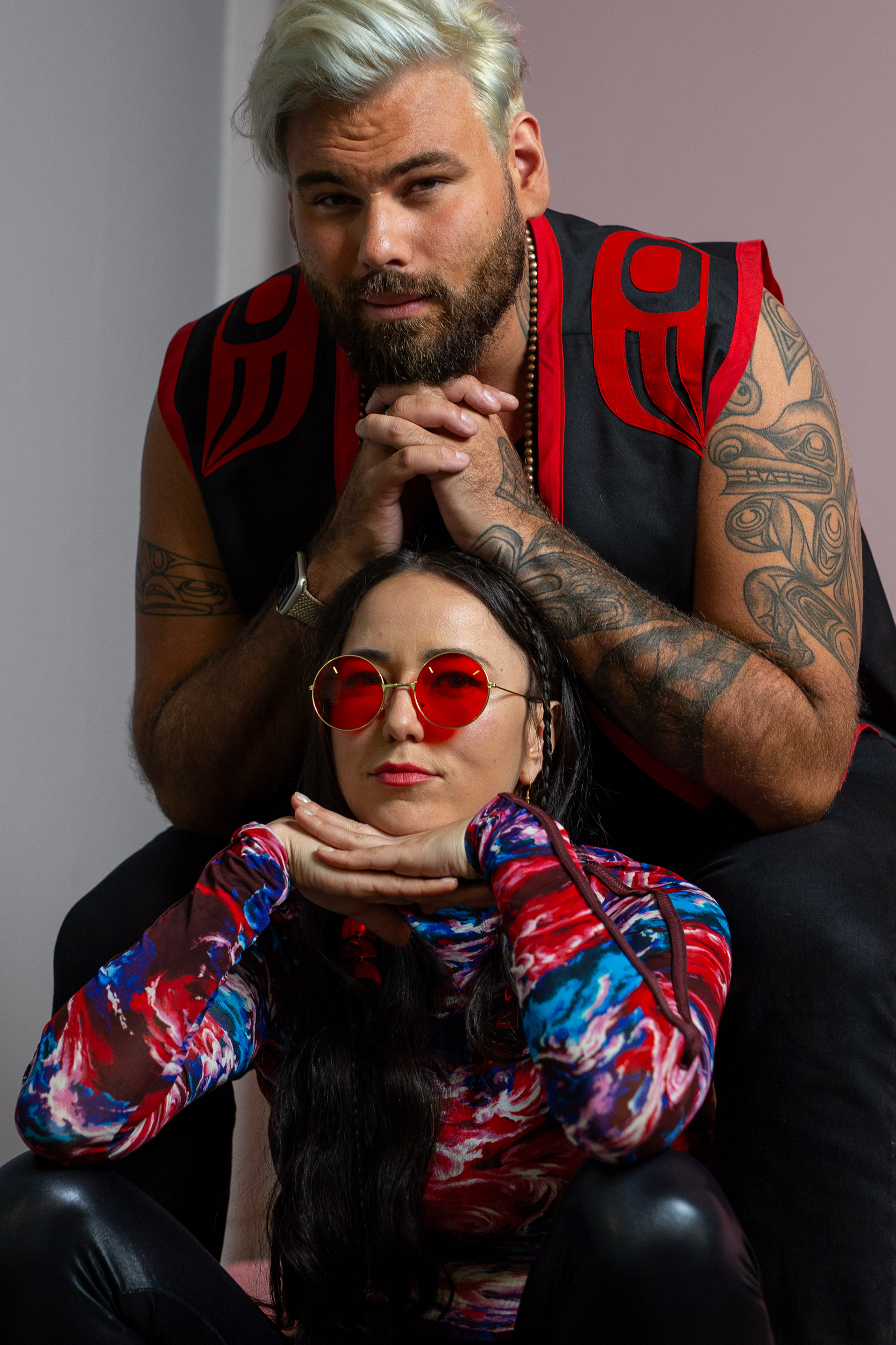
Joleen Mitton and Patrick Shannon are the founders of Vancouver-based Indigenous-only Model-Agency Supernatural Modelling. Joleen is Cree. She is a former model and the founder of Vancouver Indigenous Fashion Week (VIFW). Patrick is Haida. He works as a photographer and filmmaker. After the VIFW in 2016, where Joleen and Patrick first met, a lot of girls wanted to become models. This was the birth of Supernaturals. Supernaturals is a safe place which provides the models with support and education to protect their values and aims representation of Indigenous culture.
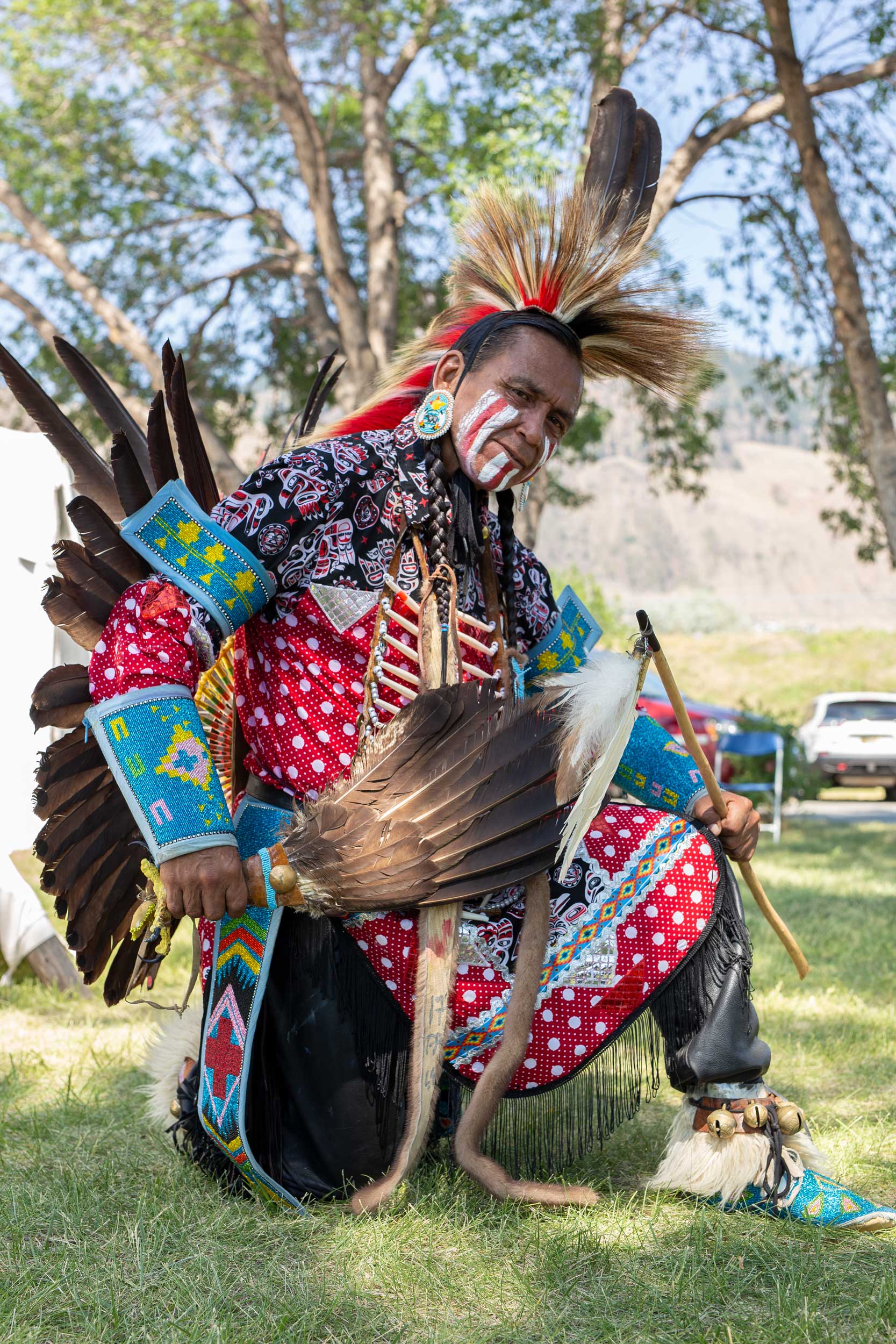
Stuart Patrick is a Residential School Survivor. The black elements on Stuart's regalia represent the dark days in his life. The black mountains stand for the Ups and Downs he has gone through. Between the mountains it gets colorful. For until Stuart turned eleven he couldn't see colors. The colors represent the change in his life and the healing. “I see the blue skies finally,” says Stuart. The Red Cross symbolizes the time he has harmfully hurt his body, mind and soul with drugs and alcohol. The three pink strings represent the ladies in his life: His wife and daugthers who opened their doors and taught Stuart. The medicine wheel represents the healing journey that Stuart has been on. The two tipis represent his and his wife's Nations. (Kamloops, B.C.)
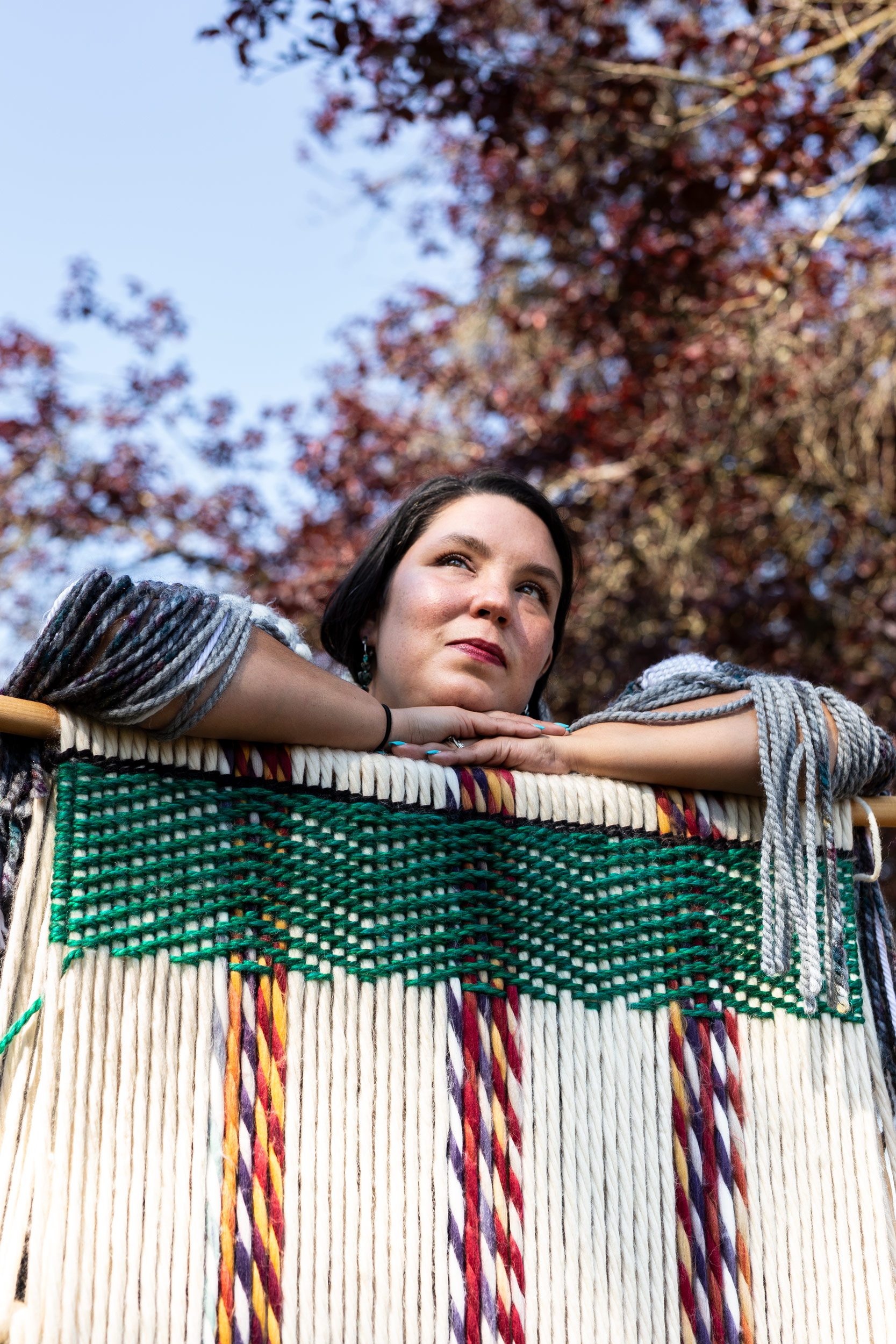
Allison learned the basic techniques of wool weaving in 2008 when she was involved in the opening of the Squamish Lil’wat Cultural Centre(SLCC) with Chief Janice George and Buddy Joseph. She hopes to give both Indigenous and non-Indigenous clients a positive connection with her culture.
Magazine Draft - Design by Studio Fronczec, Karlsruhe
Interview by Aline Wyrwich
When Alicia was younger she didn’t have any native jewelry. They had something that was aesthetically Native like a dream catcher or a wolf. But now she owns pieces that are made by Indigenous people she has worked with and loves. They are like a regalia to her.
Alicia got the rabbit key chain from her Nation Fort Chipewyan. Rabbit fur specifically is important to her because her grandmother Shirley always had a rabbit’s foot key chain. The fur is a way of life to provide for your family. When Alicia was gifted she felt it was a piece of her grandmother coming back to her.
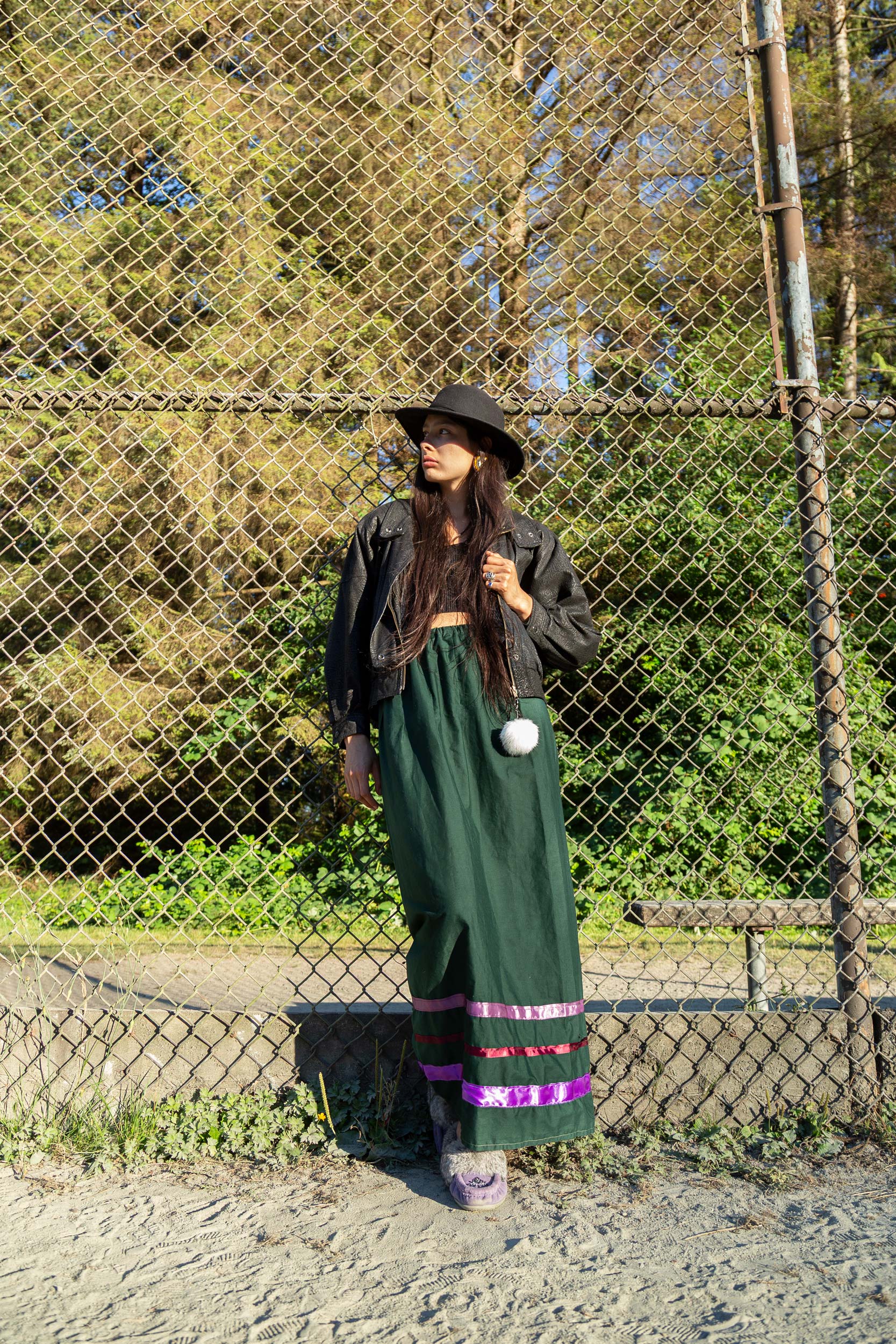
Alicia Hanton started modeling when she was 15 years old. She is signed with Indigenous-only Agency Supernatural Modeling. The ribbon skirt is self-made in a class for youth held by an elder. You choose the pattern and colors of your skirt depending on what stands out to you. All ribbon skirts are different. There’s not one way to make one. Alicia's skirt is an ongoing project. She likes how tacky and unfinished it is but soon she will start over and make a “full one”.
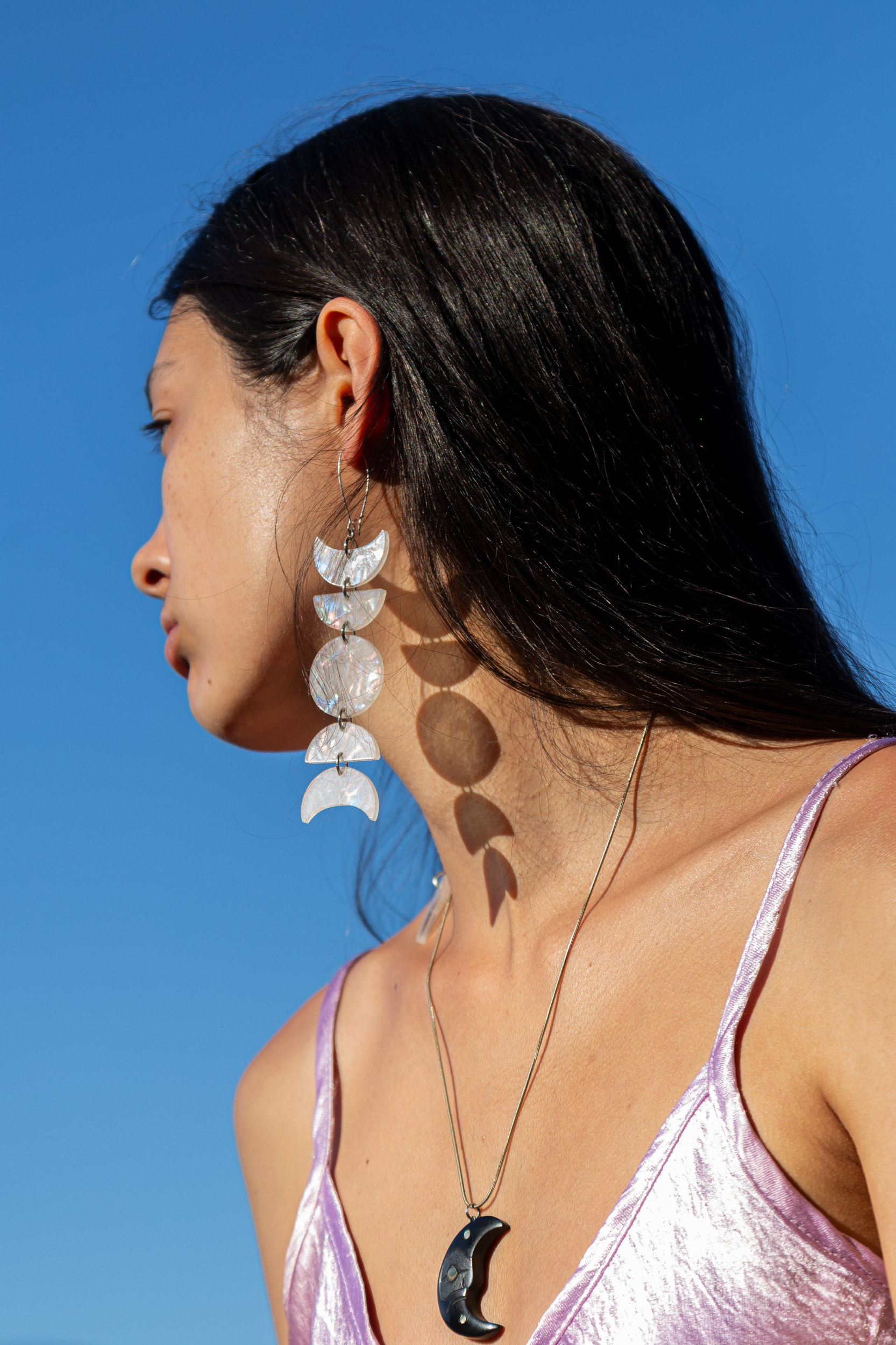
Faith Dew is a 24 year old jewelry designer working under the name “Fern and Flower” and teacher. She is Cree and Ojibwa. At the Aboriginal Society Langley she helps special needs aboriginal young ones in the age of 2 to 5. They run day camps and generally support the mostly “down and out“ families. For now the bead work is just a hobby but as Faith is so passionate about it she could imagine to do it full-time one day. (White Rock, B.C.)
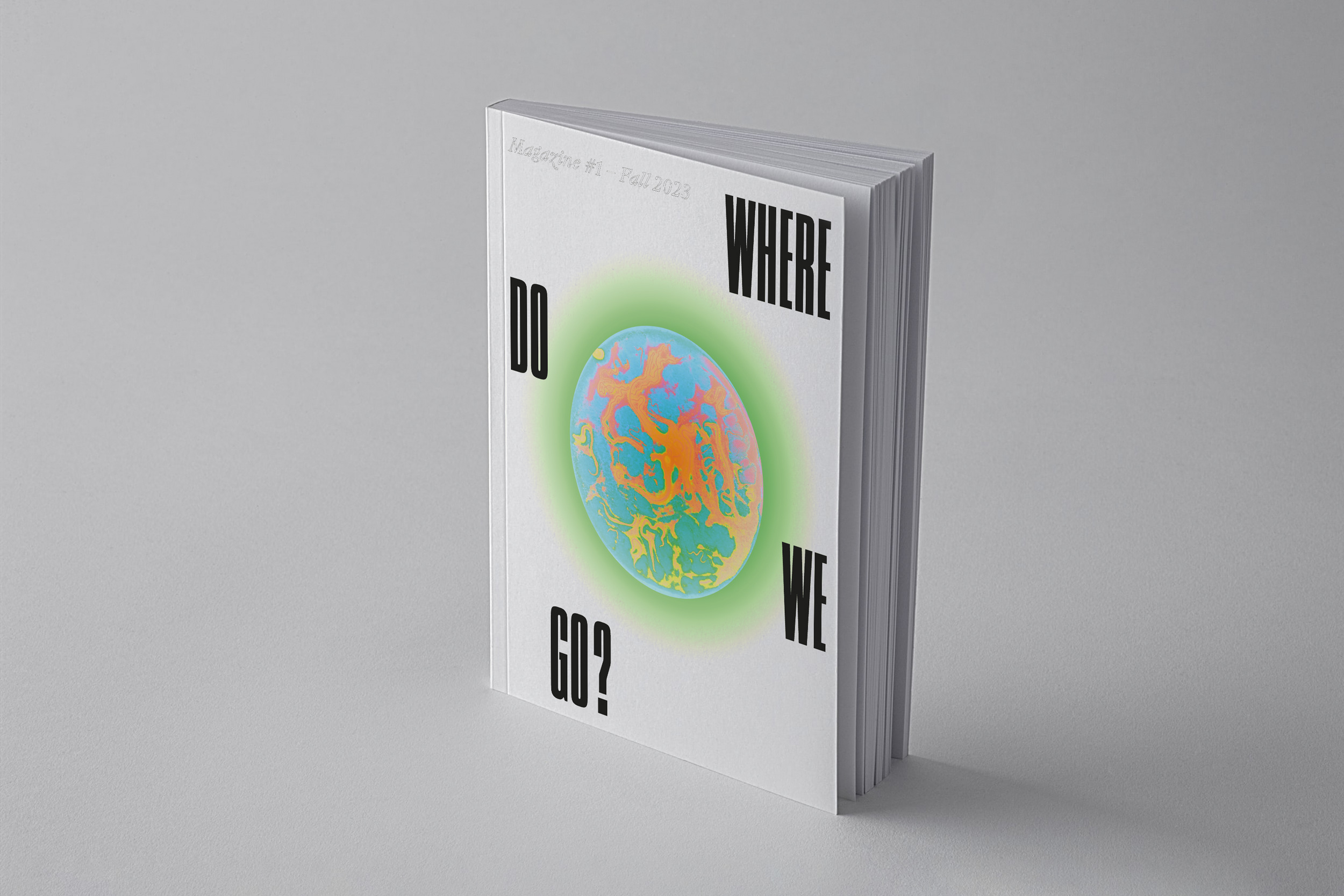
Das Magazin zum Projekt (Mock-Up) - Grafikdesign von Studio Fronczek, Karlsruhe
Turtle Island – so called Canada, 2022
I respectfully acknowledge that all photos were taken on the traditional and unceded territories of the xʷməθkwəy̓əm (Musqueam), Skwxwú7mesh (Squamish), Səl̓ílwətaɬ (Tsleil-Waututh), Katzie, Stó:lō Coast Salish and Secwépemc (Kamloops).
WHERE
DO WE
GO?
WHERE DO WE GO? introduces eleven Indigenous people who are involved in fashion and clothing in different ways. Clothing is an expression of traumatic experiences, craftsmanship, pride, resilience, and protest against colonial structures. Clothing is more than just fabric; it is a powerful means of communication. In contemporary fashion design, extremely old Chilkat patterns or, for example, the well-known ribbon skirt meet modern materials and fits. „Why you see the ribbon skirt so much now is because we’re finally proud of who we are,“ says model Alicia Hanton. The younger generations combine traditional garments such as hats or headbands made of cedar bark with streetwear. This creates exciting contrasts. Tradition meets modernity. There are many small, often subtle signs of culture in the clothing worn by Indigenous people. Nevertheless, people think very carefully about when and where they display their culture in public. Discrimination, violence, and nasty comments are not uncommon.
Traditional clothing (Regalia) is worn with pride at Powwows. The clothing consists partly of (family) heirlooms and partly of specially made elements. The typical beadwork can be found in every piece of Regalia actually, maybe in different interpretations, of the Coast Salish people. A Regalia features symbols of one`s life stories or might references to spirit animals and favorite plants. Regalia is in a constant state of change and is never really finished.
Indigenous models enjoy the energy they feel when they are in the spotlight on the catwalk. It boosts their self-esteem and makes them feel empowered. This is the beginning of a long journey of healing after decades of oppression. To protect themselves from cultural appropriation and racism, Joleen and Patrick founded their own modeling agency exclusively for Indigenous people in Vancouver. It is a unique company worldwide. Their model portfolio is growing, and customer demand for “real” people with character and history is increasing.